
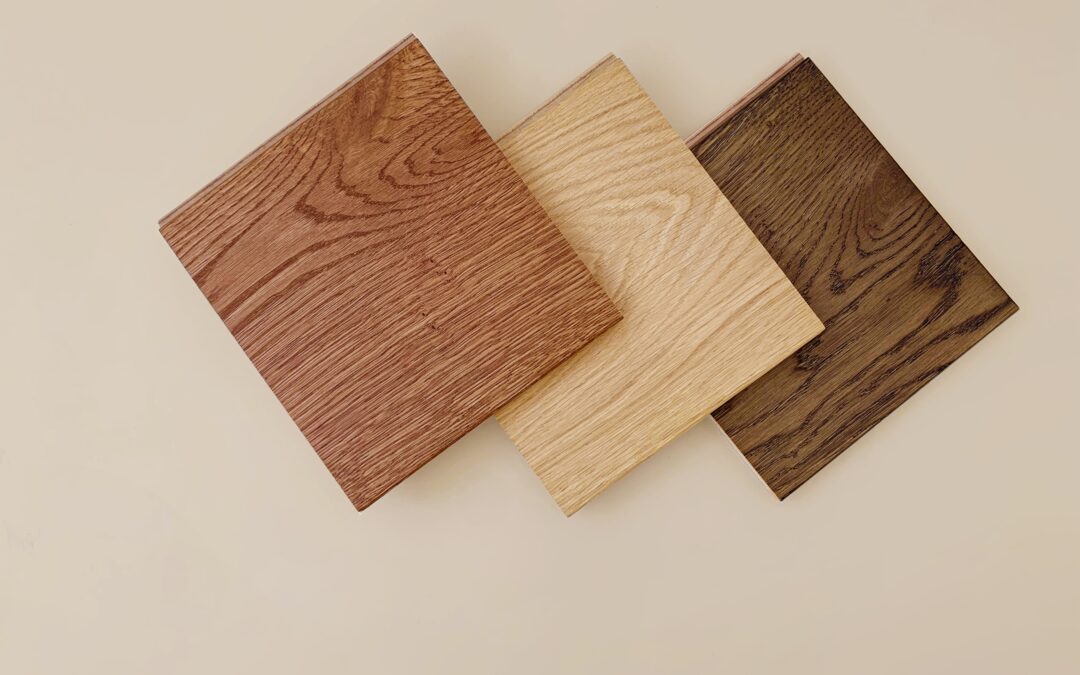
Office flooring has to work harder than most residential floors. It needs to stand up to steady foot traffic, rolling chairs, occasional spills, and the demands of a space where image and functionality go hand in hand. Choosing between engineered vs solid hardwood might seem like a simple style decision at first glance, but there’s more riding on that choice. Performance, longevity, and cost-efficiency all factor in. Both engineered and solid hardwood offer natural beauty, rich tones, and a level of sophistication that few other flooring materials can match. However, not all hardwood performs equally in commercial environments.
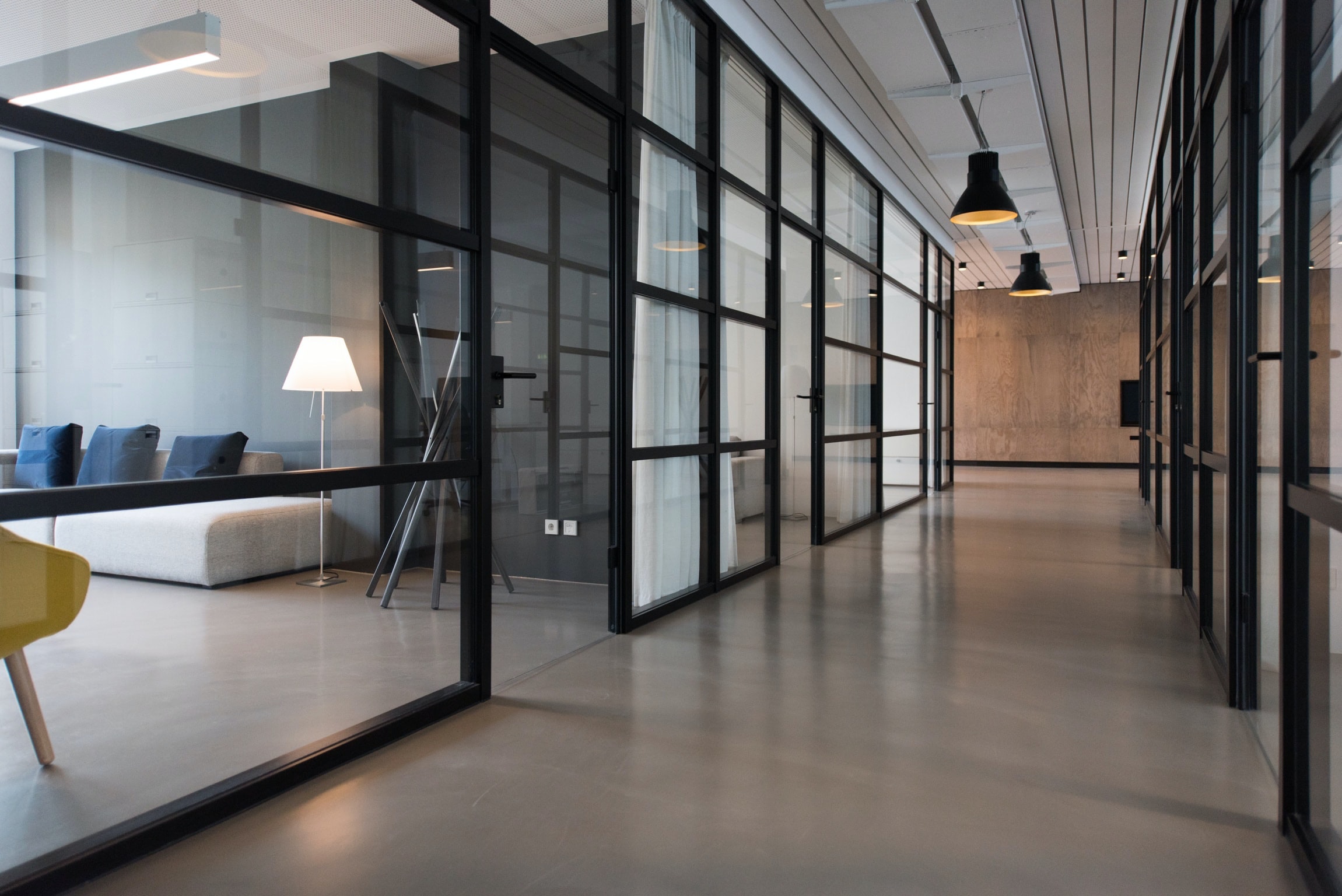
Let’s break down how each option stacks up, so you can choose the right fit for your office space.
What’s the Difference Between Engineered and Solid Hardwood?
Construction and Composition
Solid hardwood is milled from a single piece of wood. It’s thick, typically ¾”, and can be sanded and refinished multiple times throughout its life. You’ll often find it in historic buildings, executive offices, or high-end renovations where long-term use is part of the plan. Engineered hardwood features a real hardwood veneer on top, backed by layers of plywood or high-density fiberboard. This layered design makes it more stable and less prone to expanding or contracting with environmental changes. Both types come in a wide range of wood species, finishes, and colors. Once installed, even seasoned professionals may have trouble telling them apart visually. But performance tells a different story.
Moisture and Temperature Performance
Engineered Wins in Unpredictable Conditions
Commercial spaces are usually climate-controlled, but that doesn’t mean conditions stay perfectly stable. Doors open frequently. HVAC systems fluctuate. Humidity rises and falls with the seasons. That’s where engineered hardwood shows its strength. Its multi-layered construction helps it resist warping, buckling, and gapping, which are common problems with solid hardwood if moisture levels swing too far. Engineered flooring from brands like Cali Bamboo and Armstrong is designed to handle those shifts with less risk. Solid hardwood is more vulnerable in this category. A change in humidity can cause it to expand or contract, which might result in visible gaps or raised boards. Over time, that can impact not only how the floor looks, but also how it performs.
Installation and Adaptability
More Subfloor Options with Engineered Hardwood
When weighing engineered vs solid hardwood, installation flexibility matters, especially in commercial buildings where access to the subfloor might be limited or cost-prohibitive to modify. Engineered hardwood can be installed over concrete, radiant heat, and even existing flooring in some cases. It supports glue-down, nail-down, and floating installations, which speeds up timelines and reduces disruption in active office spaces. Solid hardwood usually requires nailing or stapling to a wood subfloor. That may not be possible in buildings with slab foundations or where removing existing flooring isn’t practical. Installation takes longer and can involve more dust and noise, two things most business owners try to avoid.
Maintenance and Refinishing
Solid Offers More Refinishing Options, But Needs It More Often
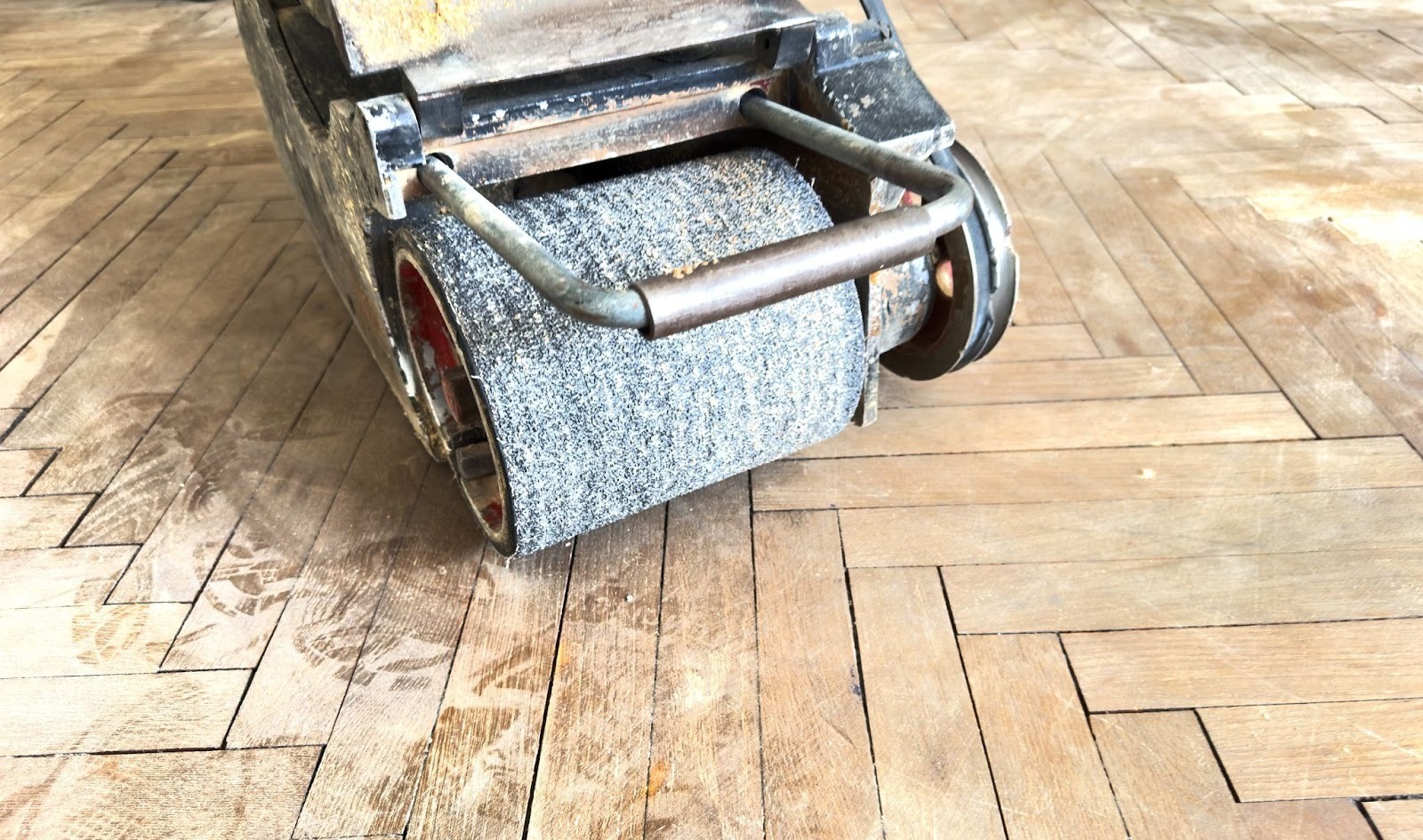
One of solid hardwood’s long-standing advantages is its ability to be refinished multiple times. That’s great in theory, but refinishing isn’t always a convenient option for an office. The process involves sanding, staining, and sealing, plus drying time. If you’re running a business, shutting down part of your space for a week to redo the floors probably isn’t appealing. In high-traffic areas, that can become a repeated disruption over the years. Engineered hardwood can be refinished once or twice, depending on the thickness of its veneer. Most modern engineered options from brands like Pinnacle and Teragren Bamboo offer a wear layer thick enough to handle light sanding and finishing if needed. But in reality, offices often replace flooring before that becomes necessary.
Style, Color, and Finish Options
Equal Footing in Design Flexibility
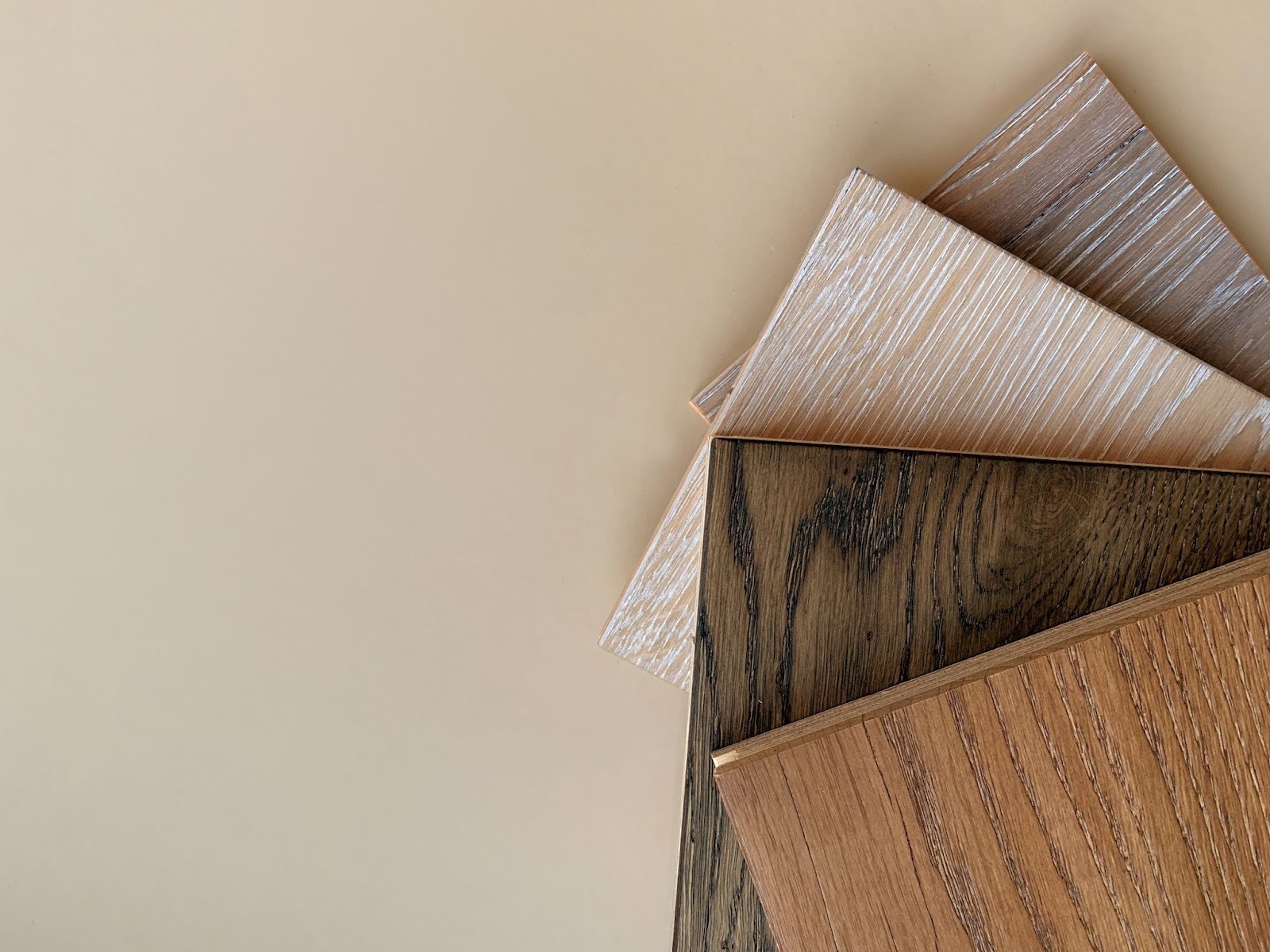
Both flooring types are available in a wide array of finishes, sheens, and stains. Whether you’re leaning toward classic oaks, modern grays, or rich walnuts, you’ll find excellent options from both categories. Designers often choose engineered hardwood because it offers wider plank sizes and textured finishes that help hide wear in commercial settings. Many collections from Armstrong or Cali Bamboo even include pre-finished boards with high-durability coatings that extend the lifespan and reduce maintenance. Solid hardwoods are often custom-finished after installation, allowing complete control over the color and gloss level. That’s a bonus for offices going for a very specific brand look or trying to match existing flooring.
Budget and Long-Term Cost
Engineered Hardwood Delivers Better Value for Offices
Engineered hardwood usually comes in at a lower price point. The materials cost less, installation is faster, and there’s more flexibility in how it’s laid down. Over a large space, that can shave thousands off your renovation budget. Solid hardwood has higher upfront costs, and installation takes more time. While it’s true that it can last longer through refinishing, that only pays off if you plan to keep the same flooring for decades, and many businesses refresh their spaces long before then. If you’re comparing engineered vs solid hardwood purely on long-term investment, engineered offers a strong balance of durability, aesthetics, and savings.
Which One Is Right for Your Office?
The right choice often depends on the priorities for your office space:
Choose engineered hardwood if:
- You need fast installation or have a slab subfloor
- Your office has variable temperature or humidity
- You want lower initial costs
- You’re interested in sustainable flooring options
Choose solid hardwood if:
- You’re renovating a high-end executive space
- Long-term refinishing is a priority
- You have a wood subfloor already in place
- Budget isn’t a primary concern
Both flooring types will elevate the look and feel of your office. The deciding factor often comes down to how your space functions day to day and what kind of maintenance you’re willing to take on in the years ahead.
Step Onto Better Floors. Book a Consultation Today!
Whether you’re planning a full office renovation or upgrading a single conference room, the choice between engineered vs solid hardwood deserves attention. At Marathon Building Environments, our flooring experts help businesses select materials that look incredible and hold up to daily demands. We proudly source premium hardwood from brands like Pinnacle, Armstrong, and Cali Bamboo, and we tailor every recommendation to your space, budget, and timeline. Connect with a Solutioneer today to schedule your consultation.