
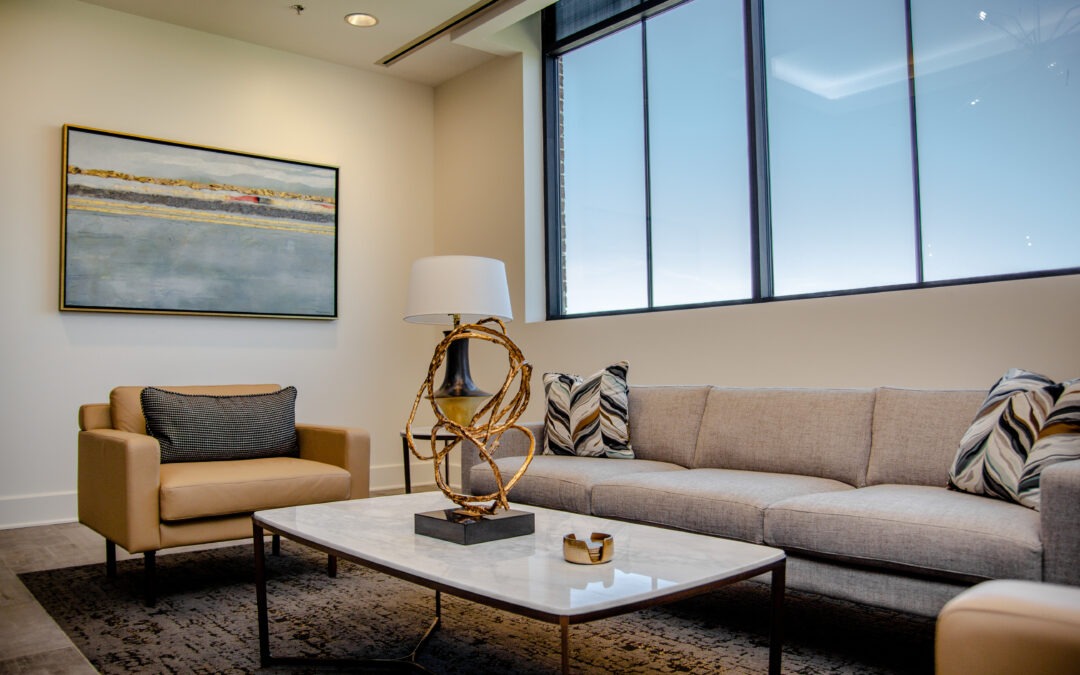
A hospital visit can bring stress and anxiety to patients and their families. Patient-centered design offers a thoughtful way to soften these feelings. By shaping hospital interior design around comfort, privacy, and positive sensory experiences, healthcare facilities can support healing and create a welcoming atmosphere for everyone who walks through the door. Thoughtful design strategies reach far beyond aesthetics. Every color, texture, and furniture choice influences patient mood and recovery. A warm, carefully planned space reassures patients that their care extends beyond clinical treatment.
Set the Tone With Comfortable Waiting Areas
First impressions carry weight in a healthcare environment. When patients and families step into a waiting area, they quickly sense whether the space supports calmness and comfort. Comfortable seating options, soft lighting, and accessible charging stations can ease long waits.
Consider incorporating these features into waiting areas:
- Upholstered chairs and sofas that feel inviting
- Adjustable lighting that reduces glare and eyestrain
- Acoustic panels to limit background noise
- Clear signage to reduce confusion
- Small refreshment stations stocked with water and healthy snacks
Promote Healing With Calming Patient Rooms
Patients spend the majority of their time in their rooms, so the design of these spaces matters. A patient-centered design approach transforms each room into a retreat that nurtures rest and emotional well-being. Color schemes shape mood in powerful ways; soft greens and blues encourage a sense of calm, while muted earth tones create a grounded feeling. Avoid harsh fluorescent lighting that strains the eyes, and instead choose dimmable LED fixtures paired with window treatments that filter natural light without giving up privacy. Healthcare environments rely on smooth, non-porous surfaces to maintain infection control, but washable, layered textiles like quilted throws and soft curtains can bring much-needed warmth and help patients feel less like they are in a clinical setting.
Respect Patient Dignity With Private Spaces
Privacy ranks high in patient-centered design. Patients feel vulnerable in hospitals, and a lack of privacy can intensify stress. Thoughtful design elements protect dignity and encourage trust in care providers, and it helps clinicians too by cutting steps with smart layouts, improving sight lines and acoustics, reducing stress in uncluttered rooms, and enabling private charting spaces.
Here are ways to incorporate privacy-focused features:
- Sliding doors instead of curtains between patient areas
- Sound-absorbing materials in walls and ceilings
- Window coverings that block visibility without darkening the room completely
- Clear signage to prevent unintentional intrusions
Use Furniture that Supports Comfort and Function
Furniture selections impact how patients, visitors, and staff experience the space. Chairs and tables should feel comfortable, but they also need to support mobility and safety. Focus on ergonomic furniture that adapts to a range of body types and mobility needs. In patient rooms, overbed tables and storage solutions keep personal belongings organized and within reach. Recliners and sleeper sofas accommodate family members who stay overnight, reinforcing the hospital’s commitment to patient-centered design.
Colors, Textures, and Sustainable Materials to Elevate the Mood
Color palettes and textures carry a quiet power in healthcare spaces. Soft hues can soothe anxiety, while natural materials inspire a connection to the outdoors. In pediatric areas, cheerful colors lift spirits. In oncology or palliative care units, muted, calming tones feel more appropriate. Textures invite touch and engagement. Woven fabrics, warm woods, and patterned wall panels bring visual interest and a sense of comfort. Sustainable materials not only look beautiful but also support health by reducing toxins and improving indoor air quality. Flooring options should be able to withstand heavy traffic while offering a clean, modern finish. Pair them with acoustic ceiling tiles to control noise, and layer in window treatments to enhance privacy and regulate light.
Ready to Create a Patient-Centered Space? Let’s Talk.
Does your healthcare facility have an environment that supports healing, comfort, and dignity? Patient-centered design strategies transform clinical spaces into places where patients and their families feel cared for in every detail. Marathon Building Environments can help you select furniture, window treatments, and finishes that bring your hospital interior design vision to life. Schedule a consultation with a Solutioneer today. We’re here to help you build spaces that make a difference in every patient’s journey.