
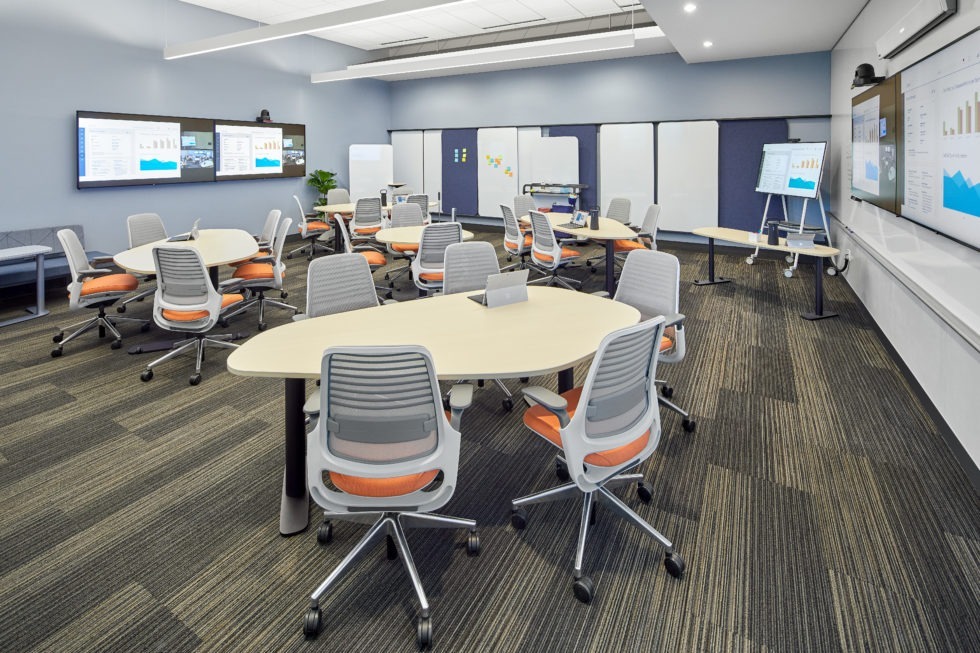
Flexible, Mobile Layouts for Modern Campus Spaces
Colleges and universities no longer treat classrooms and study areas as fixed, one-size-fits-all environments. Students today learn in many different ways. Some thrive in small groups, others focus better in quiet, individual workstations. Faculty often need to shift quickly between lecture-style teaching and active collaboration. Campuses must also support students with different needs. That’s why more higher education institutions are redesigning their spaces with modern module furniture styles and flexible layouts. These tools create adaptable environments that support different learning styles, enhance engagement, and improve accessibility.
Supporting a Range of Learning Styles
Traditional desks in rows don’t work for everyone. Some students need the option to move around, spread out materials, or sit closer to peers. Others benefit from private, enclosed spaces that limit distractions. Modular setups allow furniture to be rearranged quickly to support a variety of needs. Module furniture styles works especially well in learning commons, media labs, group study zones, and classrooms that mix lecture with collaboration. Mobile desks and seating units give instructors the freedom to break students into groups, circle up for discussion, or switch to individual work all in the same space.
Key features of modular furniture that support this flexibility include:
- Lightweight construction that’s easy to move
- Interlocking pieces for quick configuration changes
- Integrated power and tech features
- Height-adjustable options for accessibility
- Sound-absorbing panels and dividers for students with sensory needs
Encouraging Collaboration Without Compromising Focus
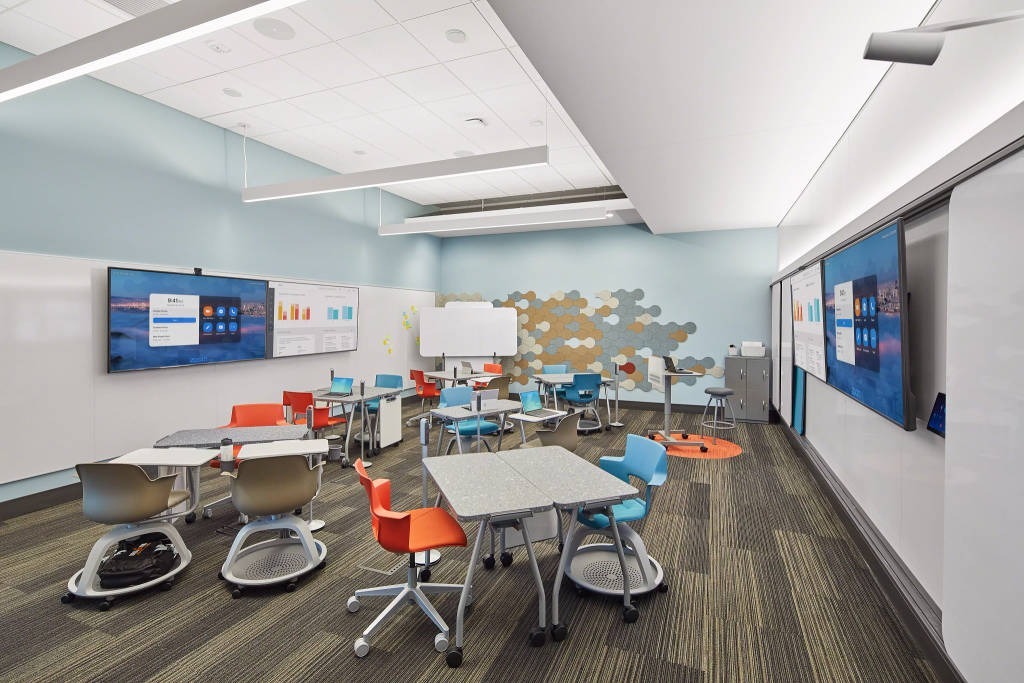
Learning doesn’t always happen in isolation. College classrooms today often support project-based work, peer instruction, and team activities. Group learning helps students develop communication skills, deepen understanding, and stay engaged. With modular furniture, it’s simple to create zones for different types of group interaction. Rolling chairs, nesting tables, and mobile whiteboards turn any room into a multi-functional learning space. Instructors can switch between presentation mode and breakout sessions without wasting time or relying on fixed setups.
To maintain a balance between collaboration and concentration, campuses can use:
- Acoustic panels to reduce noise transfer between groups
- Mobile partitions to create visual and auditory separation
- Writable surfaces to support brainstorming and group problem-solving
Enhancing Accessibility and Inclusion
Students with disabilities, neurodivergent students, and those with sensory needs all benefit from classrooms that offer more than one fixed way to participate. Instructors and facilities teams are increasingly recognizing this, especially as more students speak up about how their learning environments affect their focus, processing, and comfort. Most colleges and universities that receive federal funding are required to follow Section 504 of the Rehabilitation Act and Title II of the Americans with Disabilities Act (ADA). These laws mandate that institutions provide “auxiliary aids and services” to ensure equal access to education. That includes accommodations like preferred seating, assistive technology, reduced-distraction environments, and physical accessibility features.
For many students, that also means having access to adaptive layouts that can shift as needed, either to include a wheelchair-accessible path through a classroom, reduce sensory triggers, or allow students with ADHD or autism to sit in positions where they’re most successful.
Flexible design supported by modular furniture helps institutions meet both legal requirements and the real-world needs of students. Height-adjustable desks, movable partitions, soft acoustic seating, and mobile chairs all give students and instructors the ability to shape the space around how people actually learn. By investing in these types of solutions, schools stay compliant and foster a more inclusive, supportive environment where all students can fully participate.
Making the Most of Every Square Foot
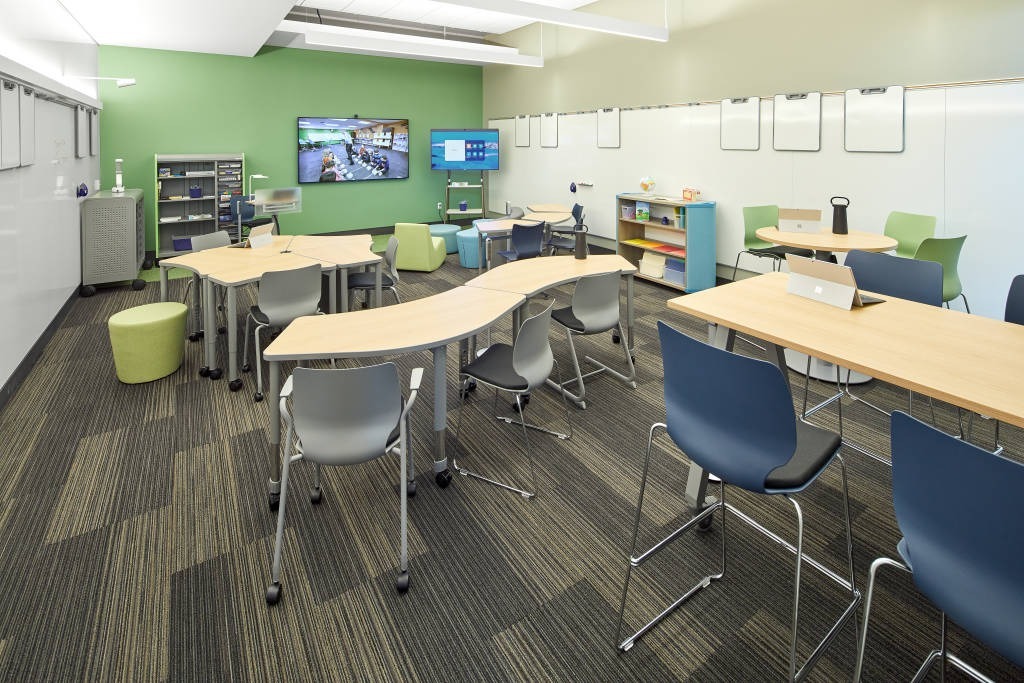
Space is limited on many campuses. Dorm lounges double as study rooms. Libraries host tutoring sessions, events, and quiet reading all in one place. Modular and mobile layouts allow each square foot to be used in multiple ways throughout the day.
For example:
- A large seminar room can transform from lecture seating in the morning to small group discussions in the afternoon
- Individual study desks in the library can be reconfigured into group tables for peer mentoring sessions
- Open atriums or lounges can become pop-up classrooms using mobile seating and whiteboards
Rather than building more square footage, schools are getting smarter about how they use what they already have. Modern module furniture styles makes this possible by offering quick, tool-free reconfiguration that staff and students can manage themselves.
Long-Term Cost Efficiency
Investing in modular furniture benefits students and faculty, but it’s also a smart financial decision. Because these pieces can be reused and rearranged, they adapt to changes in curriculum, enrollment, and space usage. Instead of replacing fixed furnishings every time a department grows or a program shifts focus, schools can update layouts without buying new products. Many manufacturers also design modular products to last longer, with replaceable components and durable materials that stand up to frequent movement and use.
Furniture Brands Supporting Higher Education Innovation
Marathon Building Environments partners with trusted manufacturers that specialize in furniture solutions for colleges and universities. Here are a few top names that offer high-performing, flexible furniture ideal for higher education spaces:
- Steelcase – Known for research-driven design and ergonomic features
- Sit On It Seating – Delivers highly mobile, comfortable seating for classrooms and lounges
- Global – Specializes in durable modular pieces with clean, contemporary aesthetics
- Versteel – Excels at movable tables, stools, and accessories that promote interaction
Rethink Your Campus Design and Book a Consultation with a Solutioneer Today
With smart planning and the right product mix, your campus can become more inclusive, efficient, and engaging for all. Let us help you design smarter spaces with modular furniture that grows with your campus. Schedule a free consultation with a Solutioneer to explore product lines, layout ideas, and accessibility upgrades that fit your goals. Your students deserve spaces that support how they learn best. Let’s build them together.