

Workplace distractions often stem from sounds like foot traffic, rolling chairs, and conversations that travel across hard surfaces. Floor noise reduction plays a major role in improving focus, comfort, and productivity in commercial spaces. The right flooring choice does more than enhance aesthetics; it actively controls acoustics and creates a more functional environment for employees and clients. Marathon Building Environments offers flooring solutions designed to minimize sound while maintaining durability and style. By selecting materials engineered for acoustic performance, businesses can create quieter, more efficient workplaces without sacrificing design.
Why Flooring Matters for Noise Control
Sound behaves differently depending on the surface it encounters. Hard materials reflect noise, allowing it to bounce throughout a room. Softer, more absorbent surfaces reduce echo and limit how far sound travels. Flooring is one of the largest surface areas in any commercial space, which makes it a powerful tool for floor noise reduction. It can either reduce noise or cause more of it.
A well-planned flooring strategy can:
- Reduce footstep noise in high-traffic areas
- Minimize sound transfer between rooms or floors
- Improve speech clarity in collaborative spaces
- Create a more comfortable acoustic experience overall
Carpet Is The Leading Solution for Floor Noise Reduction
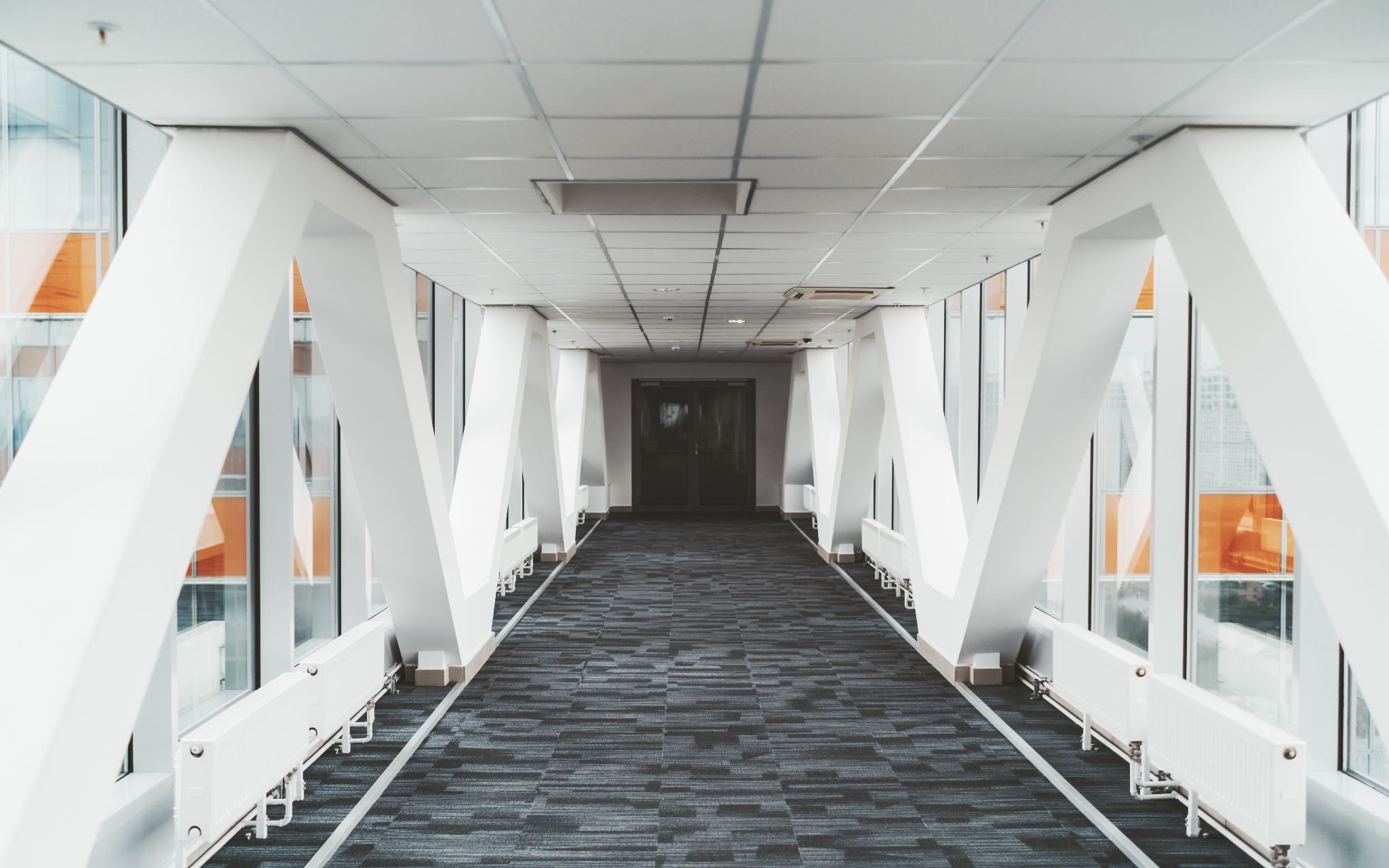
Carpet remains one of the most effective options for reducing workplace noise. Its soft fibers absorb sound energy rather than reflecting it, which makes it ideal for offices, conference rooms, and shared workspaces.
Benefits of Commercial Carpet
Marathon Building Environments offers high-performance carpet solutions from trusted brands like Milliken, Tandus, J&J, Mohawk, Shaw, and Interface. These products combine acoustic performance with durability and modern design.
Key advantages include:
- Superior sound absorption that limits echoes and footstep noise
- Comfort underfoot, which enhances employee satisfaction
- Design flexibility with patterns and colors that define spaces
- Modular options like carpet tiles for easy replacement and maintenance
Carpet tiles, in particular, allow businesses to target high-noise zones without replacing entire floors. This approach supports strategic floor noise reduction while keeping long-term costs manageable.
Ideal Spaces for Carpet Installation
Carpet performs best in areas where noise control directly impacts productivity:
- Open office environments
- Private offices
- Conference and meeting rooms
- Hallways and corridors
Using carpet in these areas helps create quieter zones that support concentration and collaboration.
Luxury Vinyl Tile (LVT) for Noise Reduction
Luxury Vinyl Tile offers a different approach to floor noise reduction. While it does not absorb sound as effectively as carpet, modern LVT products include backing layers that reduce impact noise and improve acoustic performance. Marathon provides LVT solutions from brands like Shaw and Mohawk, which design their products with both durability and sound control in mind.
How LVT Supports Noise Reduction
Pairing LVT with acoustic underlayment significantly improves its ability to manage sound. This combination works well in spaces that require a hard surface for maintenance or design purposes. LVT contributes to a quieter environment through:
- Acoustic backing layers that cushion footsteps
- Resilient surfaces that reduce sound from rolling chairs
- Compatibility with underlayment systems for enhanced performance
Where LVT Works Best
LVT suits areas that need durability without sacrificing comfort:
- Reception areas
- Break rooms
- Collaborative spaces
- Retail or showroom environments
Blending LVT with carpet in adjacent spaces creates a balanced design that supports both function and floor noise reduction.
Strategic Flooring Combinations for Better Results
A single flooring type may not address every acoustic need in a commercial space. Many businesses benefit from combining materials to create zones that serve different purposes.
Smart Pairings for Acoustic Control
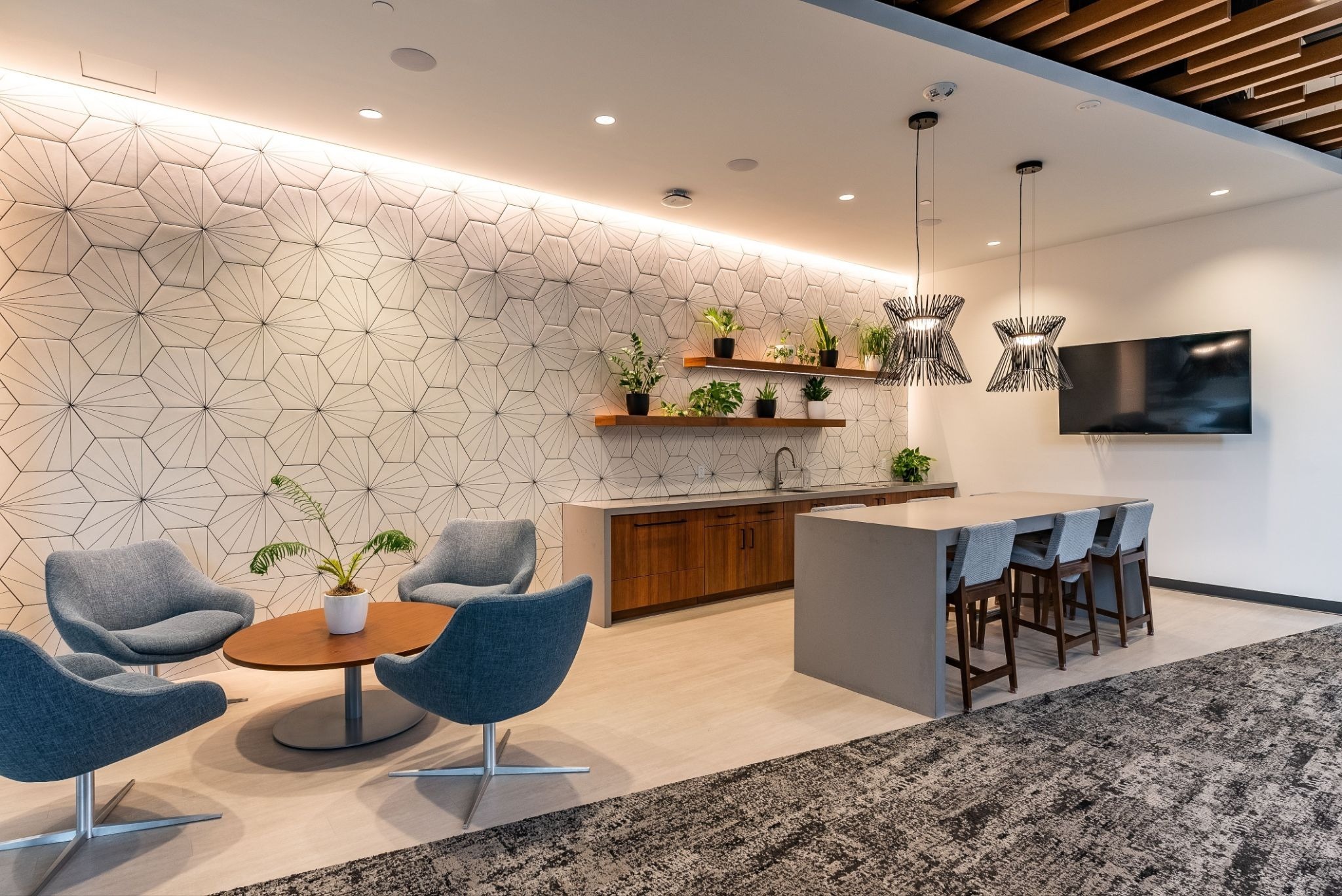
A flooring combo approach allows businesses to control sound without limiting design choices. Consider these combinations:
- Carpet in work zones + LVT in common areas to reduce noise while maintaining durability
- Carpet tiles in high-traffic paths to absorb sound where it occurs most
- LVT with acoustic underlayment in areas that require easy cleaning
Additional Factors That Influence Noise Reduction
Flooring plays a central role, though other elements can enhance its effectiveness. A coordinated design strategy strengthens overall acoustic performance.
Elements to Consider
- Subfloor preparation: Proper installation prevents sound transfer and improves results
- Underlayment systems: These add an extra layer of sound absorption beneath hard surfaces
- Furniture and layout: Soft seating and strategic spacing help reduce noise buildup
Working with experienced professionals ensures that each of these factors supports your flooring investment.
How Flooring Layout Impacts Sound Control
The way flooring gets installed across a space influences how sound travels. Large, uninterrupted hard surfaces allow noise to move freely, while intentional transitions between materials help break up sound paths.
Zoning for Better Acoustic Performance
Dividing a workspace into functional zones improves floor noise reduction without adding barriers or walls. Flooring plays a key role in defining these areas.
Examples of zoning strategies include:
- Using carpet tiles in focused work areas to absorb sound where concentration matters most
- Installing LVT in shared spaces to handle heavier traffic while maintaining some acoustic control
- Creating pathways with sound-absorbing materials to reduce noise from frequent movement
Create a Quieter, More Productive Workplace
Noise control directly impacts how people experience a space. Employees stay more focused, conversations remain clear, and the overall atmosphere feels more comfortable. Flooring choices set the foundation for these improvements, making floor noise reduction an essential part of any commercial design plan. Marathon Building Environments brings together high-quality materials and expert guidance to help businesses select the right flooring solutions. From premium carpet options to versatile LVT, every recommendation focuses on performance, durability, and acoustic comfort.
Take the First Step Toward a Quieter Workspace
A quieter office starts with the right flooring strategy. Connect with Marathon Building Environments to explore solutions that support effective floor noise reduction while enhancing the look and function of your space. Schedule a consultation with a Solutioneer to build a workspace that works better for your team every day.