
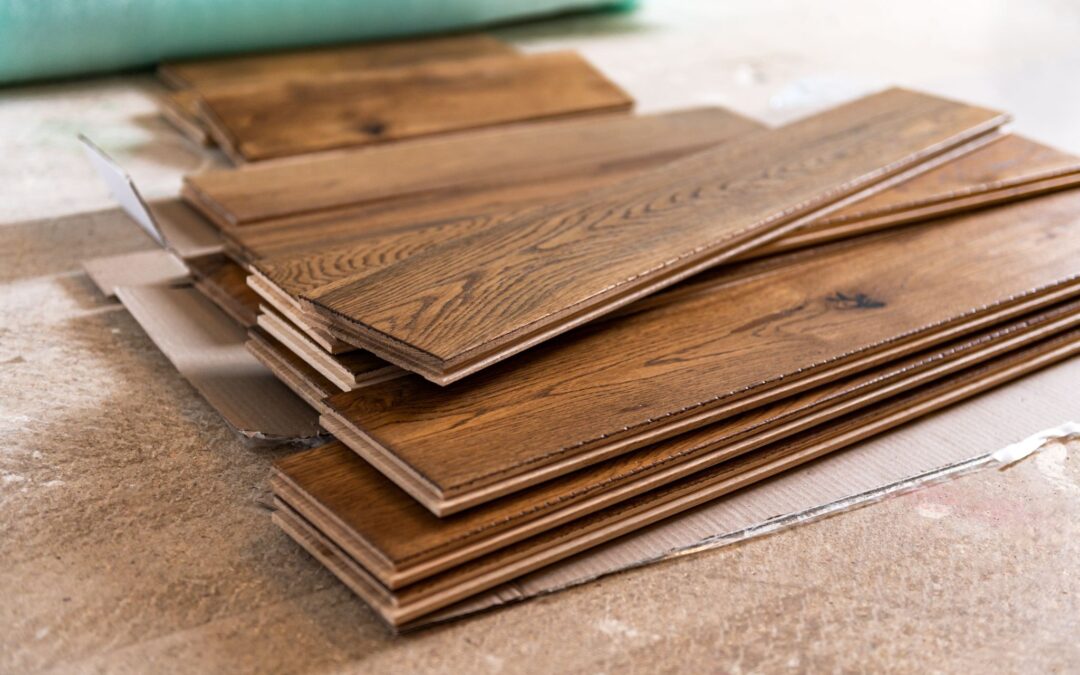
Commercial buildouts demand precision, coordination, and smart material decisions. Flooring often spans multiple areas within a single project, requiring contractors to manage transitions, timelines, and performance expectations across different materials. Hardwood, tile, and carpet each bring their own installation requirements, and mistakes in any one area can lead to delays and added costs. Contractors who approach hardwood floor installation alongside tile and carpet installation with a clear plan reduce risk and deliver better results.
Hardwood Floor Installation Mistakes That Impact Performance
Skipping Moisture Testing and Acclimation
Hardwood reacts to environmental conditions more than most materials. Ignoring moisture levels in the slab or failing to acclimate planks on-site often leads to cupping, gaps, or buckling.
Successful hardwood floor installation starts with:
- Accurate moisture testing of both subfloor and environment
- Allowing materials to acclimate for several days
- Maintaining stable temperature and humidity levels
These steps help prevent movement issues after installation.
Poor Subfloor Preparation
Hardwood requires a clean, level surface for proper installation. Uneven subfloors create visible imperfections and long-term structural concerns.
Crews should:
- Level the substrate within manufacturer tolerances
- Remove dust, debris, and adhesive residue
- Repair cracks or inconsistencies
Attention to preparation ensures a smooth and durable finish.
Using the Wrong Installation Method
Different hardwood products require specific installation techniques. Some perform best with adhesives, while others require mechanical fastening. Contractors who follow manufacturer guidelines during hardwood floor installation avoid failures tied to improper bonding or fastening.
Tile Installation Mistakes That Lead to Cracking and Failure
Inadequate Substrate Preparation
Tile installations rely heavily on a stable base. Movement in the substrate often leads to cracked tiles or grout failure.
Proper preparation includes:
- Ensuring the substrate meets deflection standards
- Installing appropriate backer boards or membranes
- Addressing expansion and movement joints
Skipping these steps often results in visible damage shortly after project completion.
Incorrect Mortar and Grout Selection
Not all mortars and grouts perform the same. High-traffic commercial environments require products that can handle heavy use and frequent cleaning.
Choosing the wrong materials can lead to:
- Loose tiles
- Staining or discoloration
- Reduced lifespan
Working with trusted tile brands like American Olean, Dal-Tile, or Crossville helps ensure material reliability and compatibility.
Poor Layout Planning
Tile layout affects both appearance and functionality. Uneven cuts, misaligned grout lines, or poor transitions create a low-quality finish. Experienced installers map out layouts in advance, aligning tiles with architectural features and minimizing awkward cuts. This level of planning elevates the final result.
Carpet Installation Mistakes That Reduce Longevity
Improper Subfloor Conditions
Carpet may seem more forgiving than hard surfaces, but subfloor issues still affect performance. Uneven surfaces or moisture problems can lead to premature wear or adhesive failure.
Before installation, contractors should:
- Ensure the subfloor is smooth and clean
- Address moisture concerns
- Select the right cushion or backing system
Incorrect Adhesive Application
Carpet tile and broadloom installations depend on proper adhesive use. Applying too much or too little adhesive can cause shifting, bubbling, or uneven wear. Consistent application techniques and manufacturer-approved adhesives play a major role in achieving a stable installation.
Ignoring Traffic Patterns
Commercial carpet installations should account for how people move through the space. High-traffic areas require more durable products and strategic layout planning. Brands like Milliken, Shaw, and Interface offer carpet solutions designed for heavy use. Selecting the right product for each zone helps maintain appearance and performance over time.
Coordination Mistakes Across Multiple Flooring Types
Poor Scheduling Between Trades
Installing flooring too early exposes materials to damage from ongoing construction. Each flooring type requires proper sequencing to avoid unnecessary repairs. This approach protects hardwood, tile, and carpet installations alike.
Contractors should plan installations after:
- Major trades complete their work
- Interior conditions stabilize
- Risk of damage decreases
Weak Transition Planning
Transitions between flooring types often receive less attention than they should. Poor transitions create safety hazards and visual inconsistencies. A well-executed transition enhances both safety and appearance.
Planning for transitions includes:
- Selecting appropriate transition strips
- Aligning floor heights between materials
- Coordinating layout between trades
Material Selection Mistakes That Affect the Entire Project
Choosing Products Without Considering Use
Each area within a commercial space serves a different purpose. Flooring should match the demands of that environment.
Examples include:
- Durable hardwood for executive offices
- Slip-resistant tile for restrooms or entryways
- High-performance carpet for open office areas
Limited Access to Trusted Brands
Material delays can disrupt project timelines. Contractors benefit from working with suppliers who offer reliable access to quality products across all flooring categories. Marathon Building Environments provides access to leading hardwood, tile, and carpet brands, helping contractors stay on schedule and meet performance expectations.
Strengthening Your Flooring Installation Strategy
Avoiding costly mistakes requires attention to detail across every flooring type involved in a project. Hardwood floor installation demands careful moisture control and preparation, while tile and carpet installations require their own specialized approaches. Contractors who plan thoroughly, select the right materials, and partner with knowledgeable suppliers consistently deliver better outcomes. Managing multiple flooring types becomes far more efficient with the right support system in place.
Simplify Your Flooring Orders and Keep Projects on Track with Marathon
Marathon Building Environments helps contractors streamline every phase of commercial flooring projects. From hardwood floor installation to tile and carpet solutions, their team provides product expertise, reliable sourcing, and coordinated delivery. Contractors can confidently select materials, stay aligned with project timelines, and reduce installation challenges. Connect with a Solutioneer to keep your next buildout running smoothly from start to finish.