

Contractors and business owners often face tight timelines, shifting requirements, and constant coordination challenges during a build. A strong commercial interior design partnership helps eliminate confusion and keeps every phase aligned from concept to completion. Rather than treating design as a separate step, integrating it into the construction process creates clarity, reduces costly changes, and improves overall project outcomes.
A well-coordinated team that includes interior designers, contractors, and product specialists ensures that every detail supports the project goals. This collaboration leads to smarter decisions, efficient workflows, and a finished space that performs as intended from day one.
Aligning Vision with Execution Early
A successful project starts with a clear and actionable plan. Commercial interior designers translate a client’s goals into detailed layouts, finish selections, and functional requirements that contractors can build from without guesswork.
Reducing Miscommunication Between Teams
Miscommunication often leads to rework, delays, and budget overruns. Interior designers create documentation that bridges the gap between concept and construction. These documents include:
- Space plans with precise measurements
- Finish schedules that define materials and placement
- Furniture specifications from trusted brands like Steelcase or Coalesse
- Lighting and fixture layouts that coordinate with mechanical systems
Clear documentation allows contractors to move forward confidently without waiting for clarification or revisiting completed work.
Establishing a Shared Project Roadmap
A commercial interior design team works alongside contractors during pre-construction to identify potential conflicts before they reach the job site. This proactive approach ensures:
- Accurate budgeting based on real product selections
- Coordinated timelines that reflect procurement and installation needs
- Fewer change orders during construction
Improving Efficiency Through Material and Product Selection
Material selection plays a major role in both aesthetics and performance. Interior designers guide these decisions with a focus on durability, maintenance, and long-term value.
Specifying Products That Fit the Build
Interior designers recommend materials and furnishings that align with the construction schedule and building requirements. These selections reduce installation issues and help crews stay on schedule:
- Commercial-grade flooring from brands like Shaw or Interface
- Durable wall finishes that meet code requirements
- Furniture systems designed for quick installation
Streamlining Procurement and Delivery

A coordinated commercial interior design partnership simplifies procurement by working with trusted vendors and distributors. When materials arrive on time and in the correct quantities, contractors avoid delays and maintain steady progress. This approach ensures:
- Consistent product availability
- Accurate lead times
- Consolidated deliveries that reduce site congestion
Enhancing Collaboration Across Trades
Construction projects require multiple trades working in sequence and often in shared spaces. Interior designers help coordinate these efforts by ensuring every element fits together as intended.
Coordinating Layouts with Building Systems
Interior design plans account for electrical, plumbing, and HVAC systems, which prevents conflicts during installation. Designers collaborate with engineers and contractors to:
- Position outlets and data ports where furniture will be installed
- Align lighting plans with ceiling systems
- Ensure millwork integrates with mechanical components
Supporting Seamless Installation
Interior designers often remain involved during construction to answer questions and provide direction. Their presence helps crews resolve issues quickly without delaying progress. Contractors benefit from having a single point of reference for design-related decisions, which keeps communication efficient and focused.
Reducing Costly Changes and Delays
Unexpected changes can derail even the most organized project. A strong commercial interior design partnership minimizes these risks by addressing potential issues before construction begins.
Preventing Rework Through Detailed Planning
Designers provide detailed specifications that reduce ambiguity. Accurate planning eliminates the need for costly corrections later. This level of detail ensures that:
- Materials get installed correctly the first time
- Furniture fits the intended space without modification
- Finishes match across different areas of the project
Managing Budget Expectations
Interior designers help clients make informed decisions about where to invest and where to save. By balancing aesthetics and functionality, they create spaces that meet both financial and operational goals. This guidance helps contractors avoid last-minute changes driven by budget concerns.
Creating Spaces That Support Business Operations
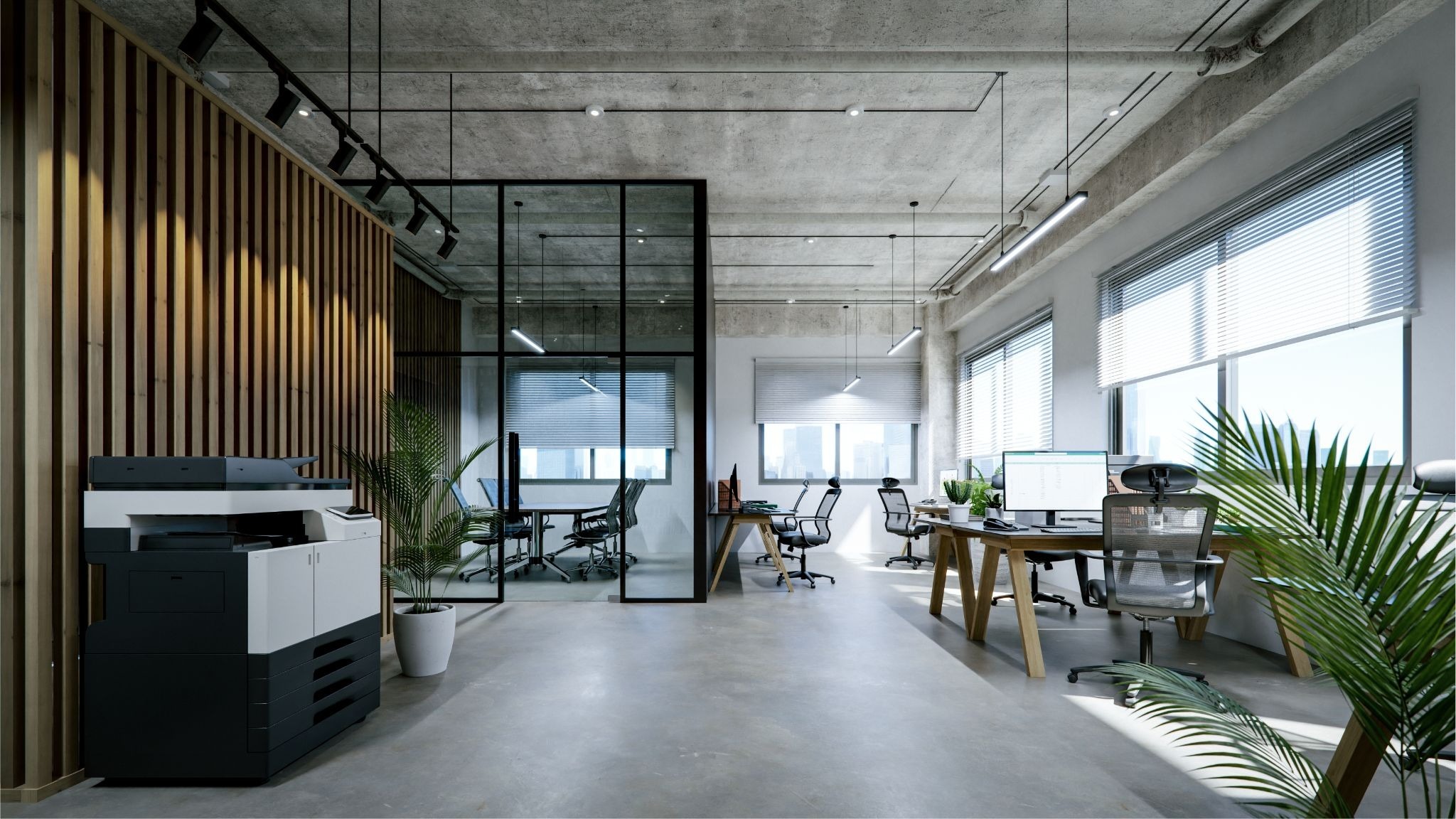
A completed space should do more than look polished. It must support the way people work, interact, and move throughout the environment.
Designing for Functionality and Flow
Commercial interior design focuses on how a space operates daily. Factors that influence layout decisions that improve efficiency and usability include:
- Employee workflows and collaboration needs
- Customer experience and navigation
- Accessibility and compliance requirements
Integrating Furniture and Technology
Modern workplaces rely on seamless integration between furniture and technology. Designers specify solutions that support connectivity, flexibility, and comfort. Brands like Steelcase and Turnstone offer systems that adapt to changing needs, which helps businesses remain productive long after construction ends.
Strengthening Client Confidence and Satisfaction
A well-executed project builds trust with clients and stakeholders. Commercial interior design partnerships contribute to this by delivering predictable results and a cohesive final product.
Presenting a Clear Vision
Designers use renderings, samples, and mock-ups to show clients exactly what to expect. This clarity allows decision-makers to approve plans with confidence. Contractors benefit from fewer revisions and a smoother approval process.
Delivering a Polished Final Result
A coordinated approach ensures that every detail aligns with the original vision. From flooring transitions to furniture placement, the finished space reflects careful planning and execution. Satisfied clients are more likely to return for future projects and recommend your services to others.
Building Long-Term Value Through Collaboration
Commercial construction projects require more than technical skill. They demand collaboration, communication, and a shared commitment to quality. A strong commercial interior design partnership supports all of these elements. Contractors who integrate design into their workflow gain a competitive advantage. They complete projects more efficiently, reduce risk, and deliver spaces that meet both functional and aesthetic expectations. Business owners benefit from environments that support their operations and reflect their brand identity.
Build Smarter Projects with the Right Design Partner
A successful project depends on the strength of the team behind it. Partnering with experts in commercial interior design brings clarity, efficiency, and consistency to every phase of construction. Marathon Building Environments works alongside contractors and business owners to align design, materials, and installation for better results. Connect with a Solutioneer to explore product options, coordinate your next project, and create a space that performs as well as it looks.